

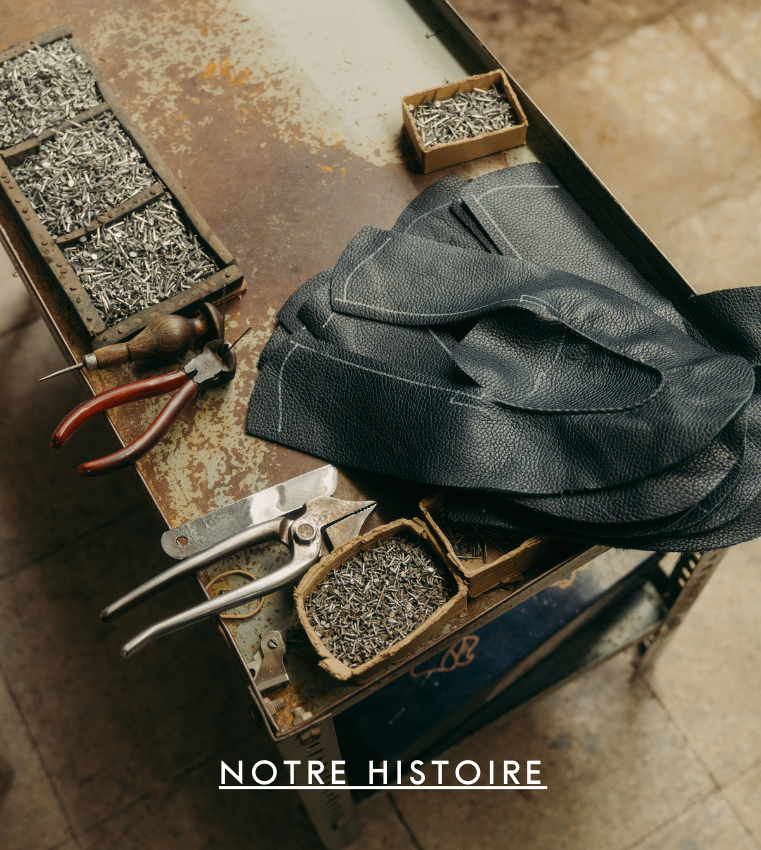
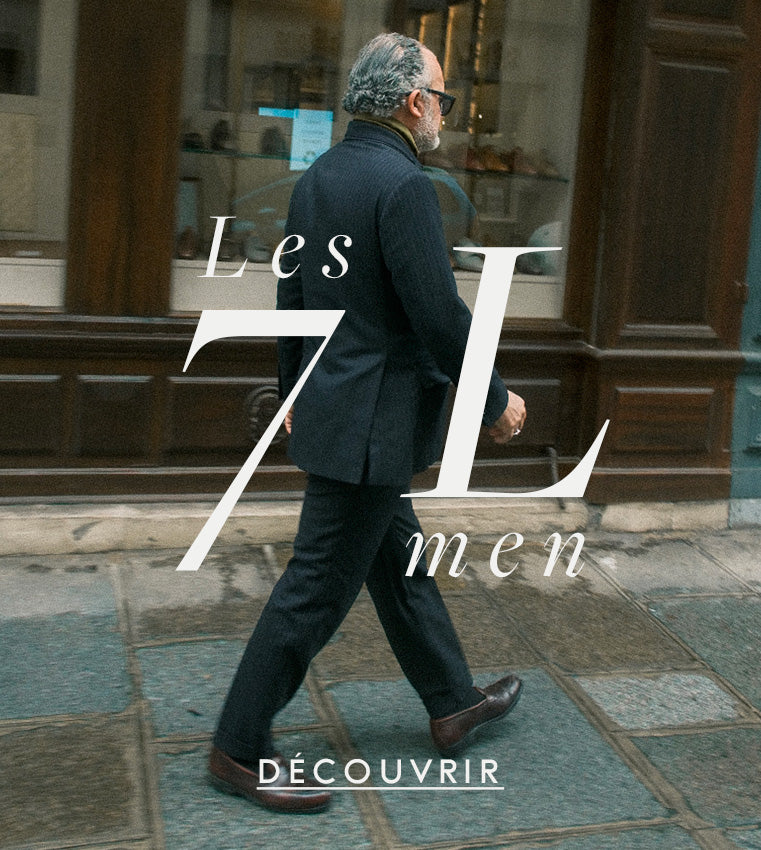

The 7L savoir-faire is expressed through the hundreds of steps required to craft our shoes. Today, we shine a light on this process, highlighting the stages that reflect our attention to detail, allowing us to offer shoes that stand the test of time
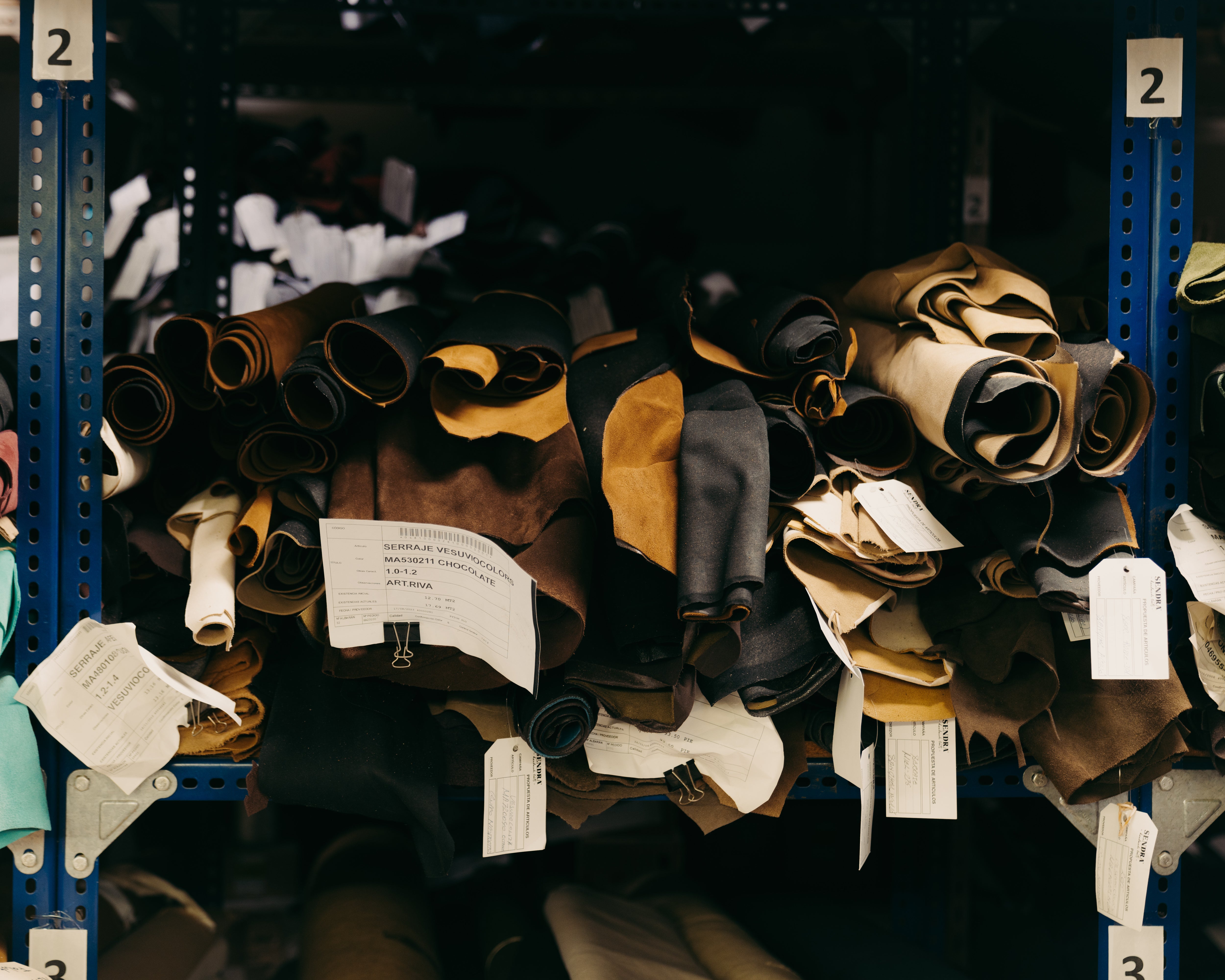

A crucial step
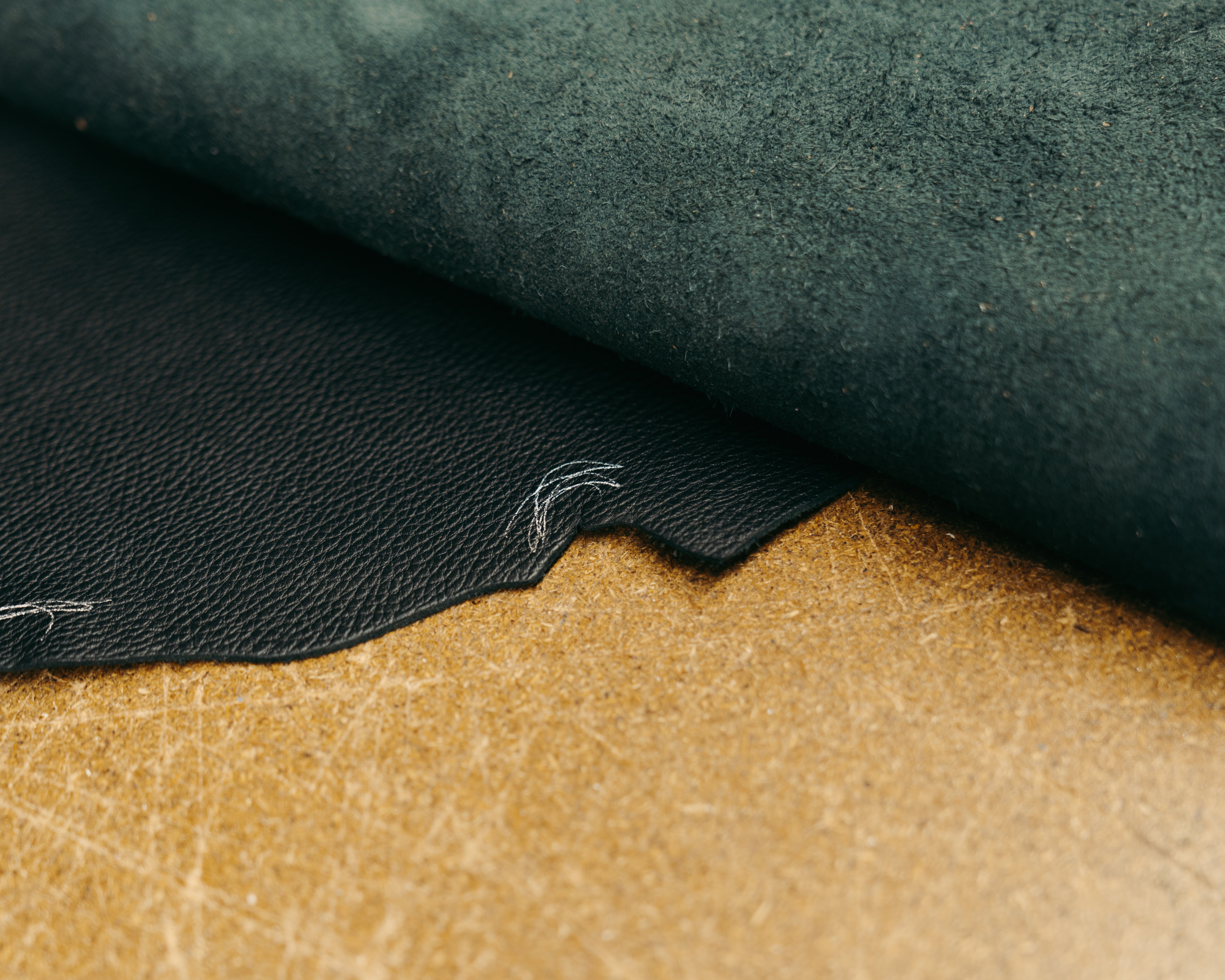
Well before the construction of the shoe begins, this step contributes just as much to its longevity. For a shoe to stand the test of time, it is essential to select a top-quality leather, paying close attention to any minor imperfections that could compromise its durability. The quality of the lining should not be overlooked either, as it will be directly exposed to the foot’s perspiration.
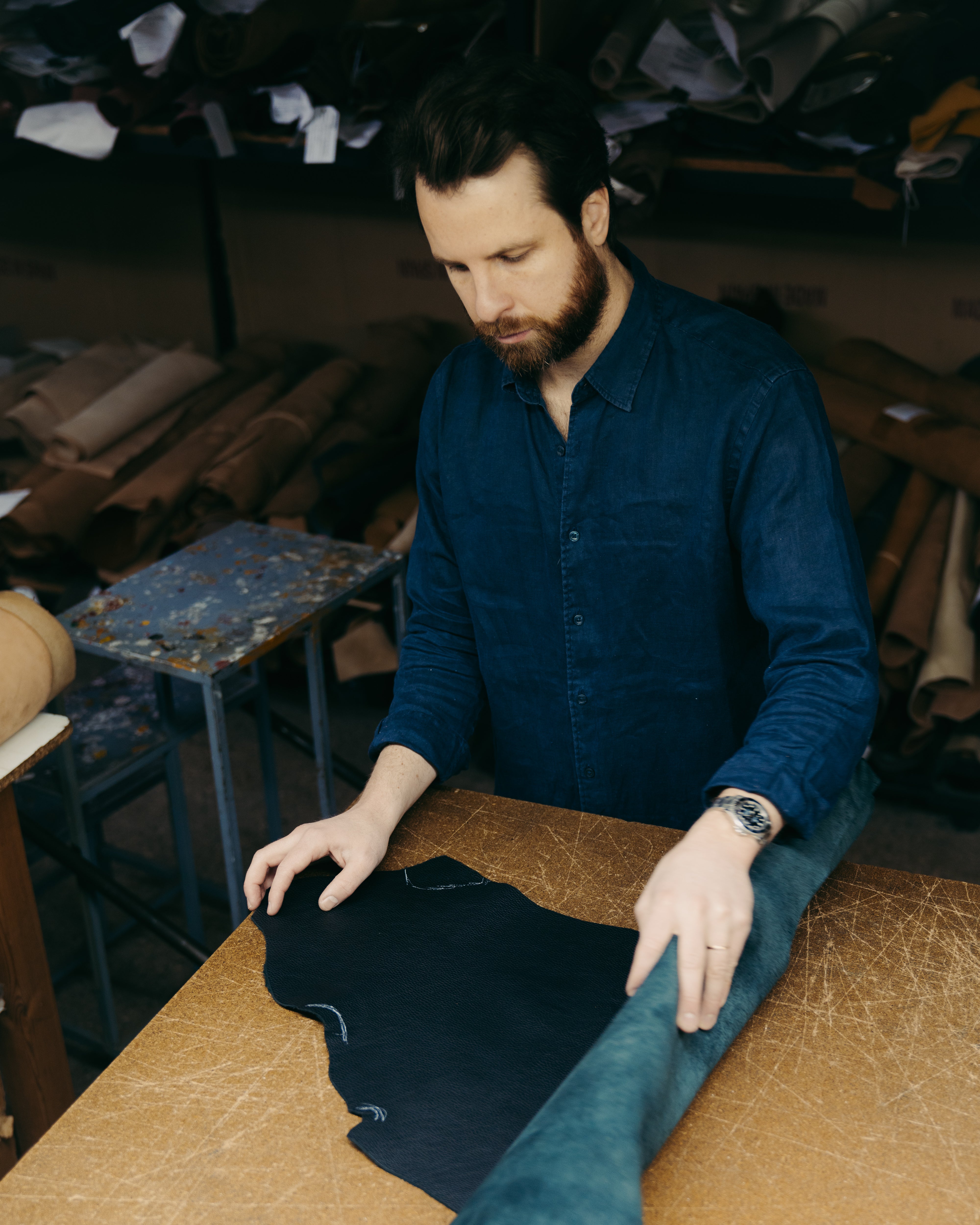
A thorough examination
always precedes the cutting of the leather, as even a high-quality leather can have imperfections. This inspection allows us to assess the material’s density and suppleness, thus avoiding leathers that are likely to:
- Lose their shape or deform prematurely
- Develop unsightly creases
- Wear out quickly at points of friction and repeated bending
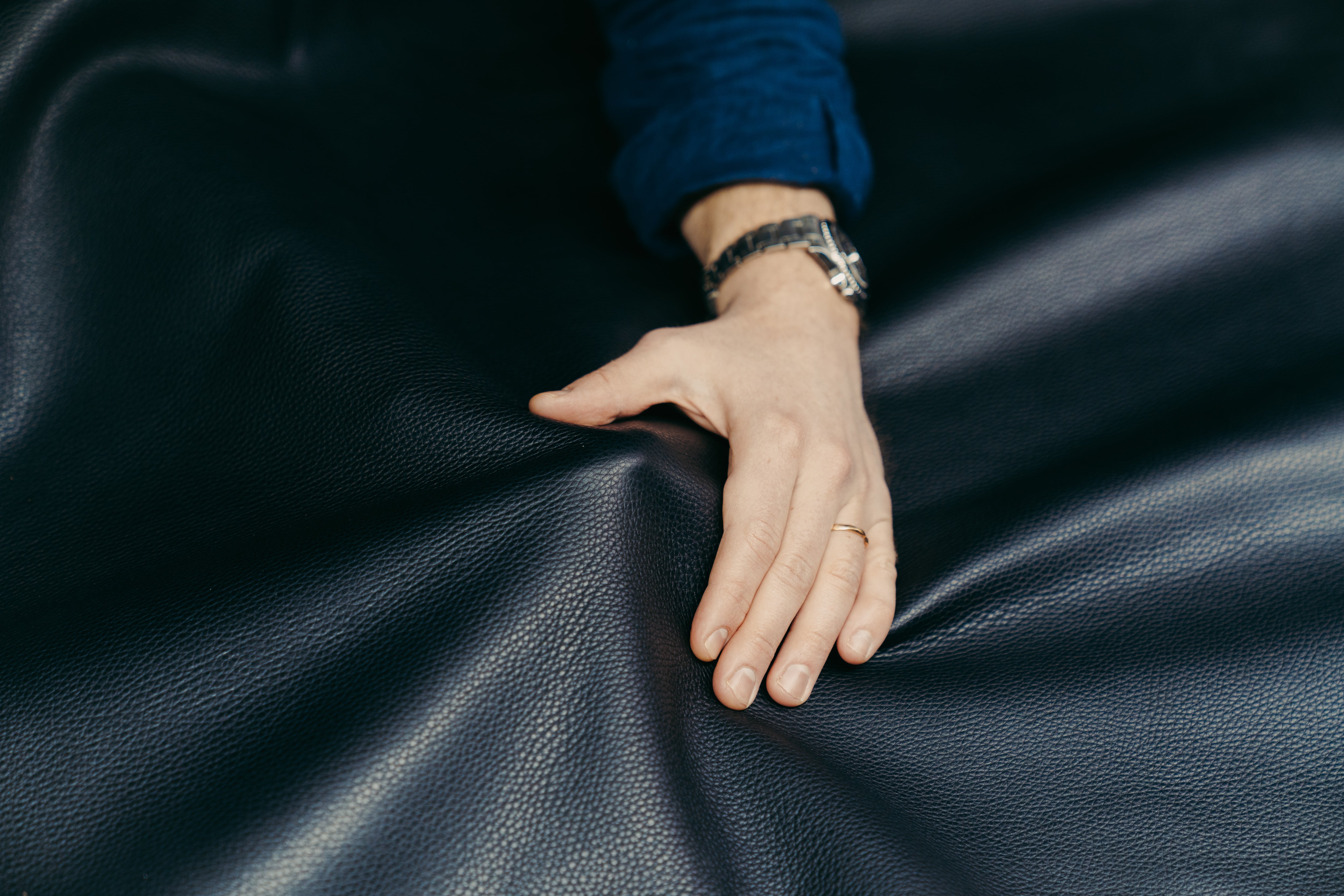
Choosing the tannery
Aware that not all leathers are of the same quality, we pay particular attention to their selection. That is why we have chosen to work exclusively with European tanneries, renowned for their expertise and heritage. Among them are Weinheimer Leder (Germany), Stead (England), Tanneries du Puy (France), and Biessuno (Italy).
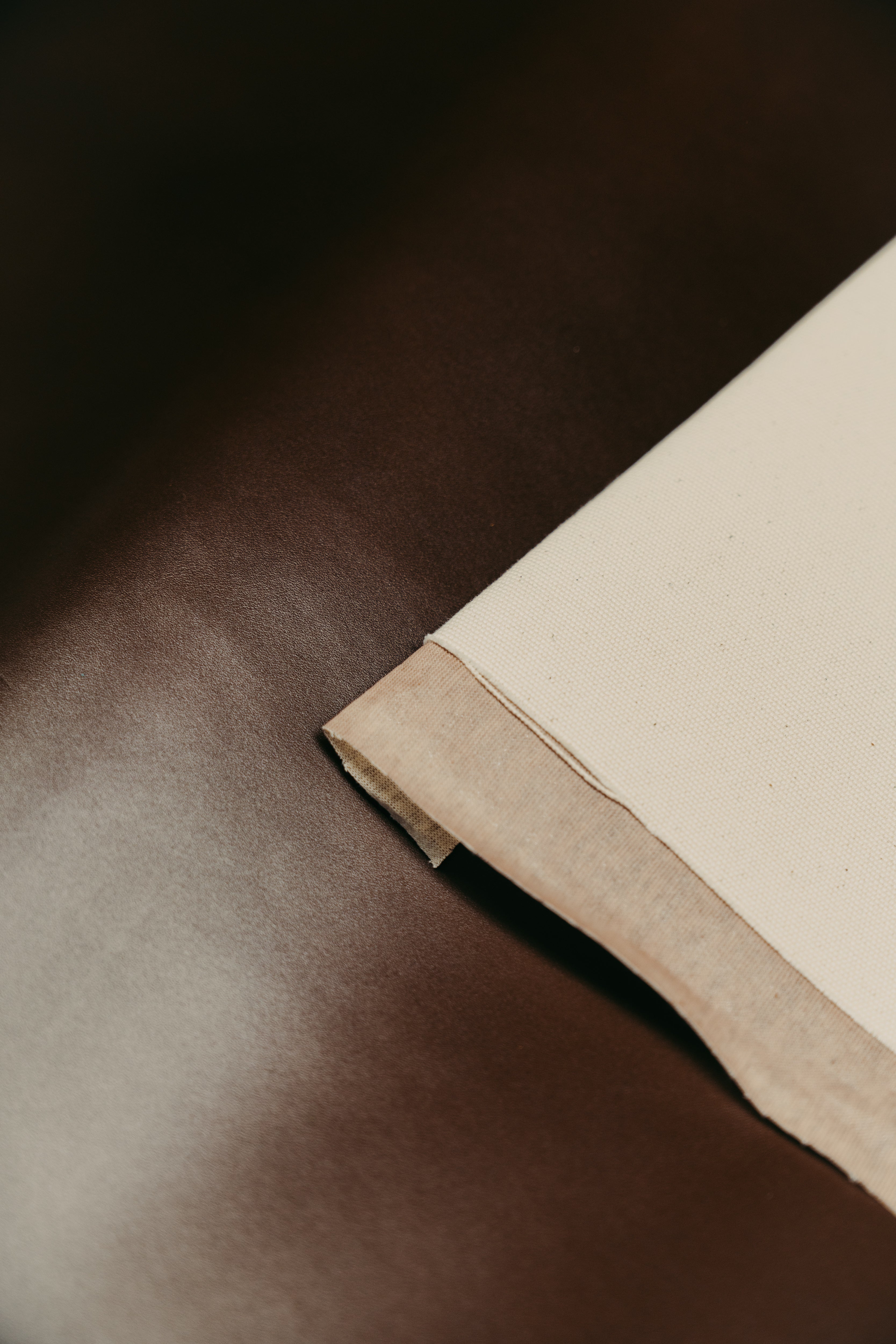
Technical note
A so-called "hollow" leather has a fragile internal structure, usually due to insufficient density.
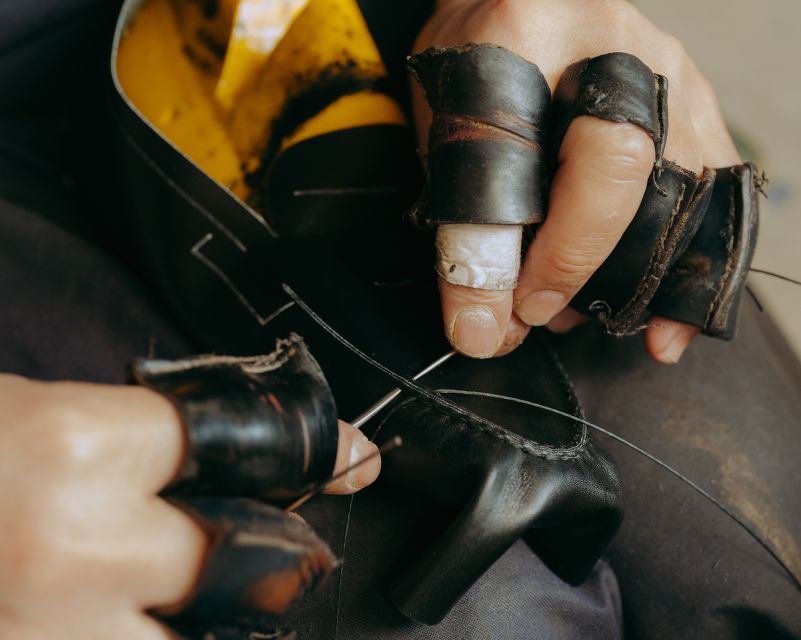
A rare gesture of traditional craftsmanship
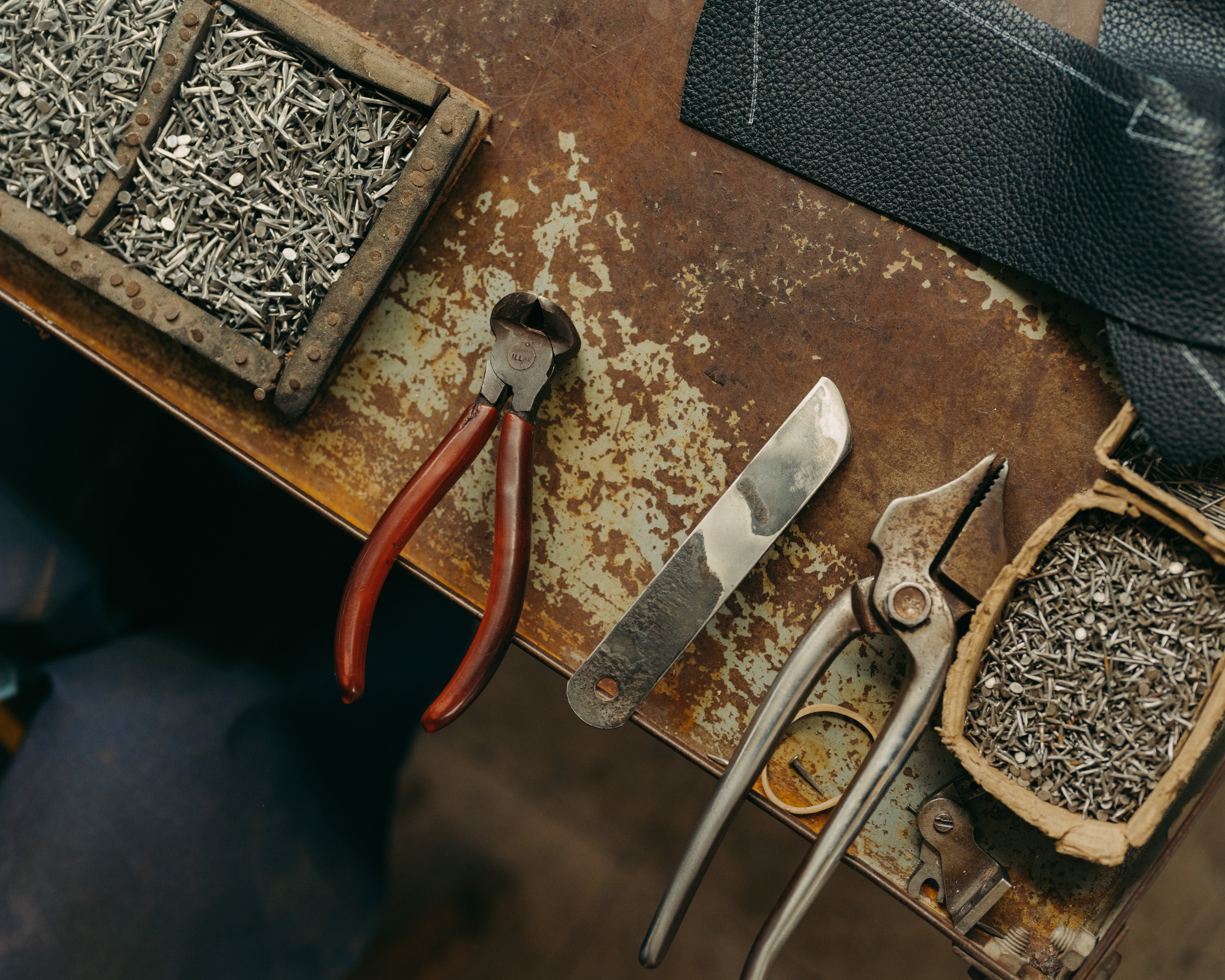
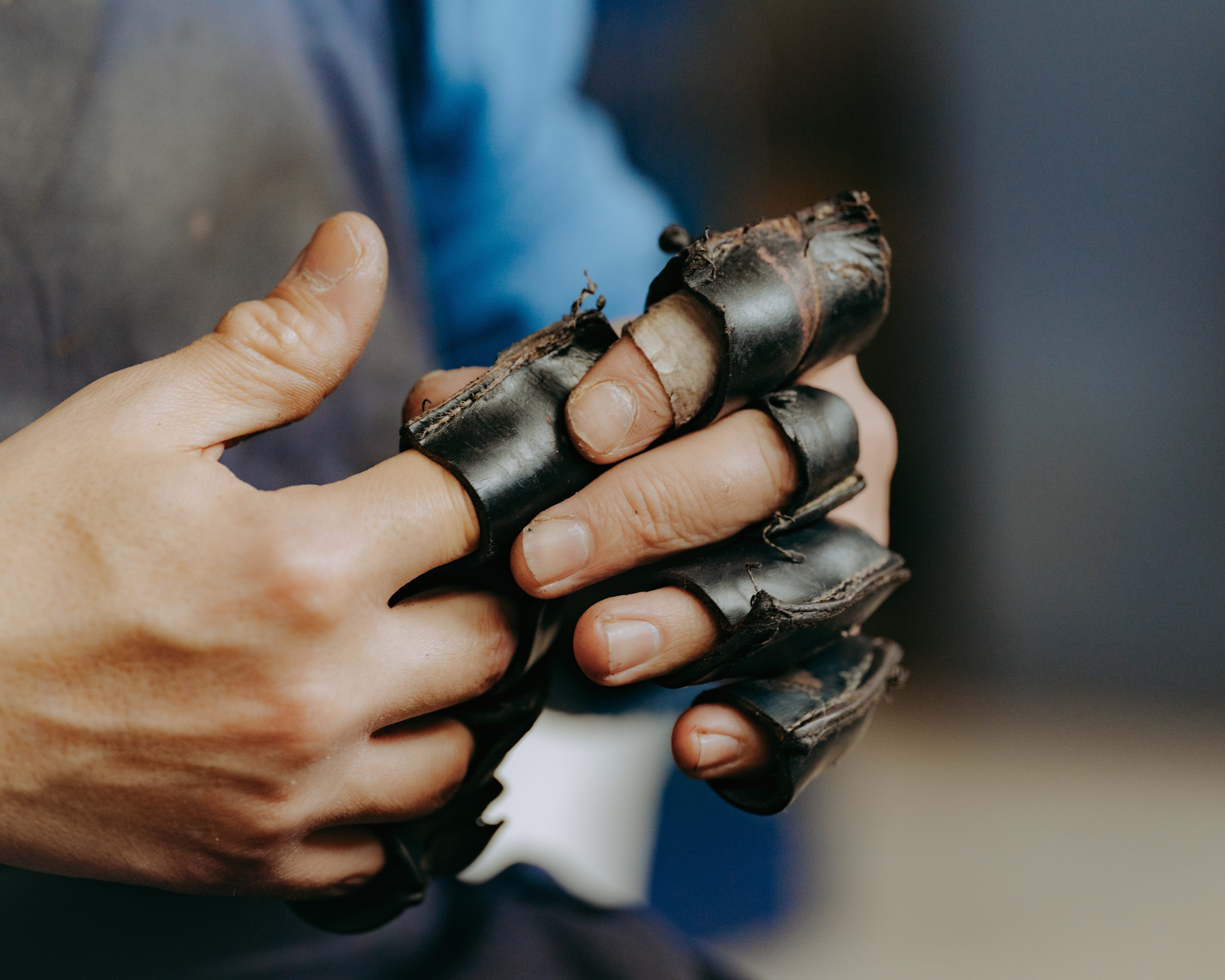
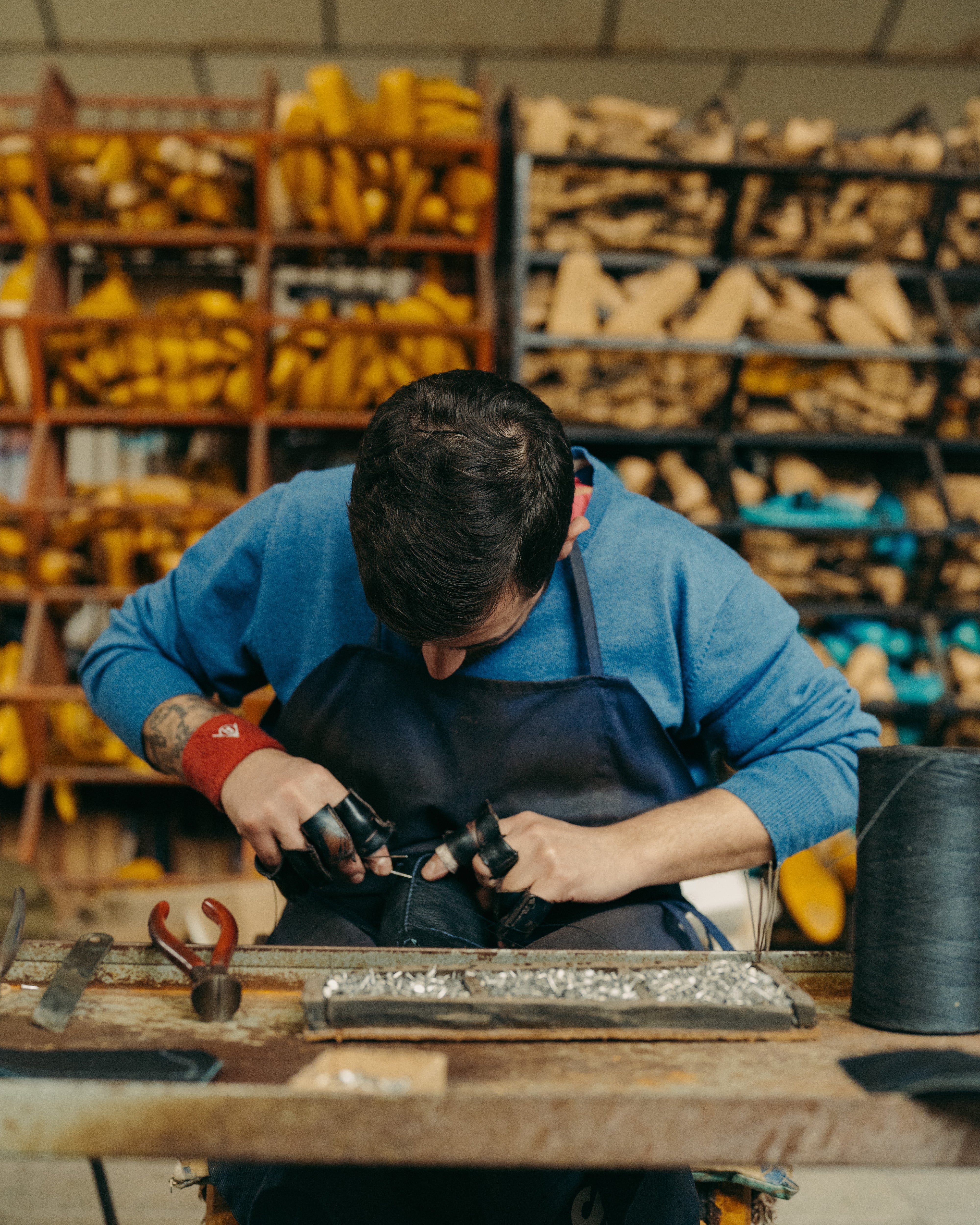
The crafting of the trays of our shoes holds particular importance. We have chosen to preserve a time-honored craftmanship by offering stitching that is entirely done by hand. We use two different hand-stitching techniques, each performed by an artisan: the double-needle hand-stitched joined method, featured on the Ivy, Classic Moc, Gatsby, and Edmond, and the double-needle hand-stitched pinched method, this time found on the Nicodème and Vadillo.
This technical gesture reflects our commitment to perpetuating traditions that are gradually disappearing. Not only is the stitching far more durable, but it also adds a unique touch to each loafer through its subtle irregularities.
Hand-Stitched Double-Needle Joined
Two pieces of leather are joined edge to edge using two needles:
- Technique using two needles
- Assembly of two separate pieces of leather
- Pieces positioned edge to edge
- Allows a precise and strong joint between the two leather pieces
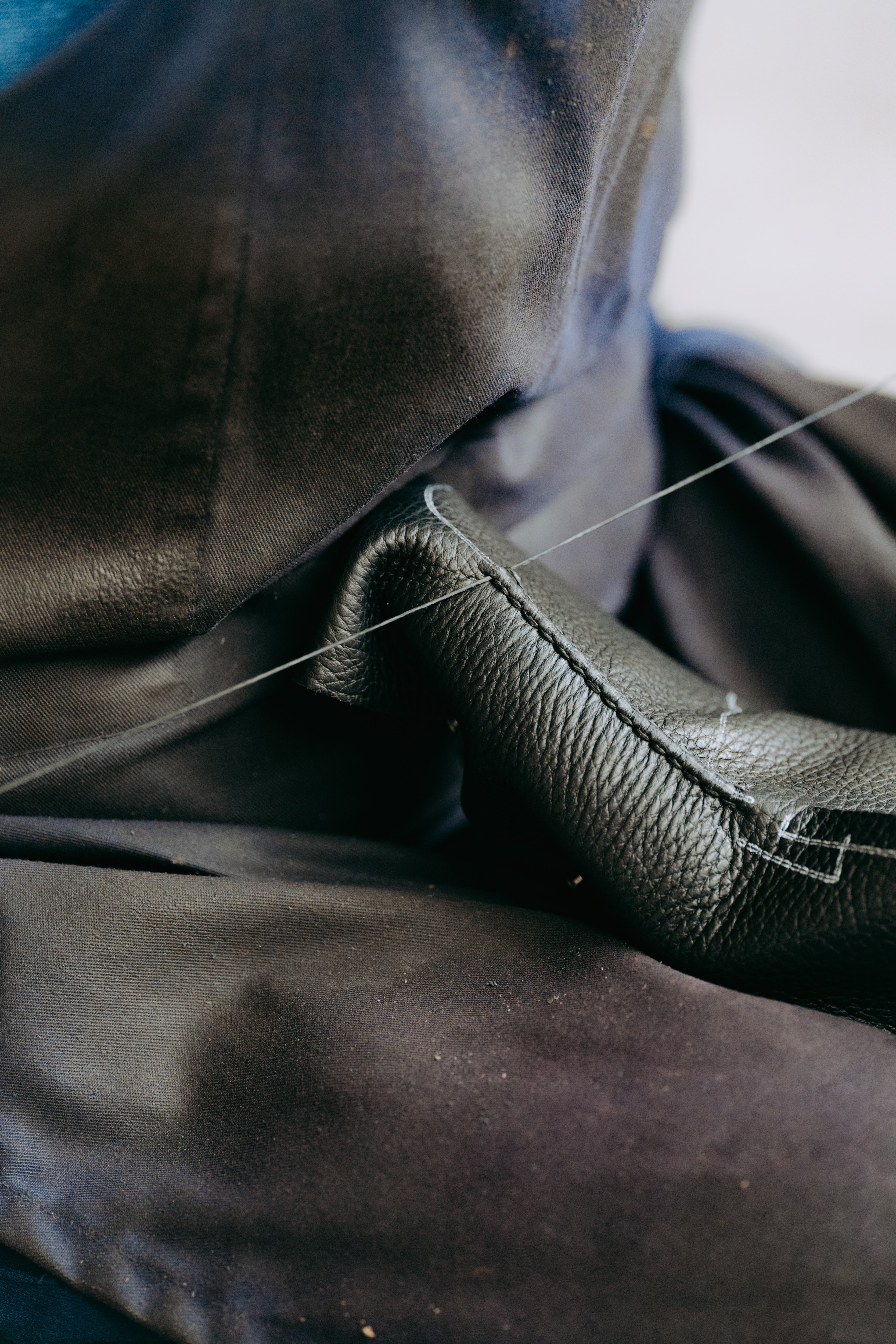
Hand-Stitched Double-Needle Pinched
A single piece of leather is used. The leather is pinched to create a raised effect.
- Technique using two needles
- Work on a single piece of leather
- The leather is pinched to create a raised effect
- A decorative technique that adds depth and character to shoes
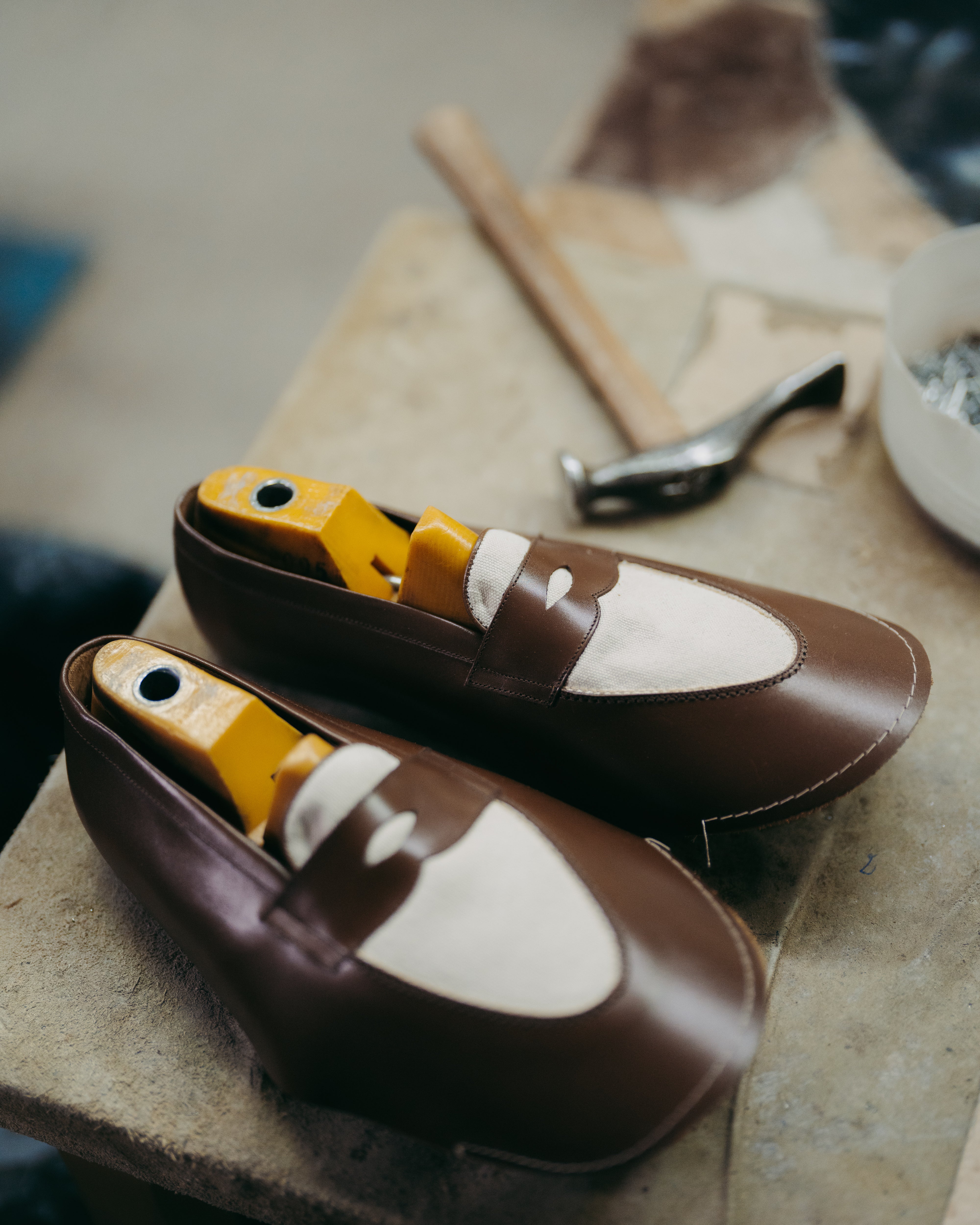
To perfectly mold to the shapes
Once the upper has been assembled, the shoe does not yet have its final shape. It must be given its definitive volume.
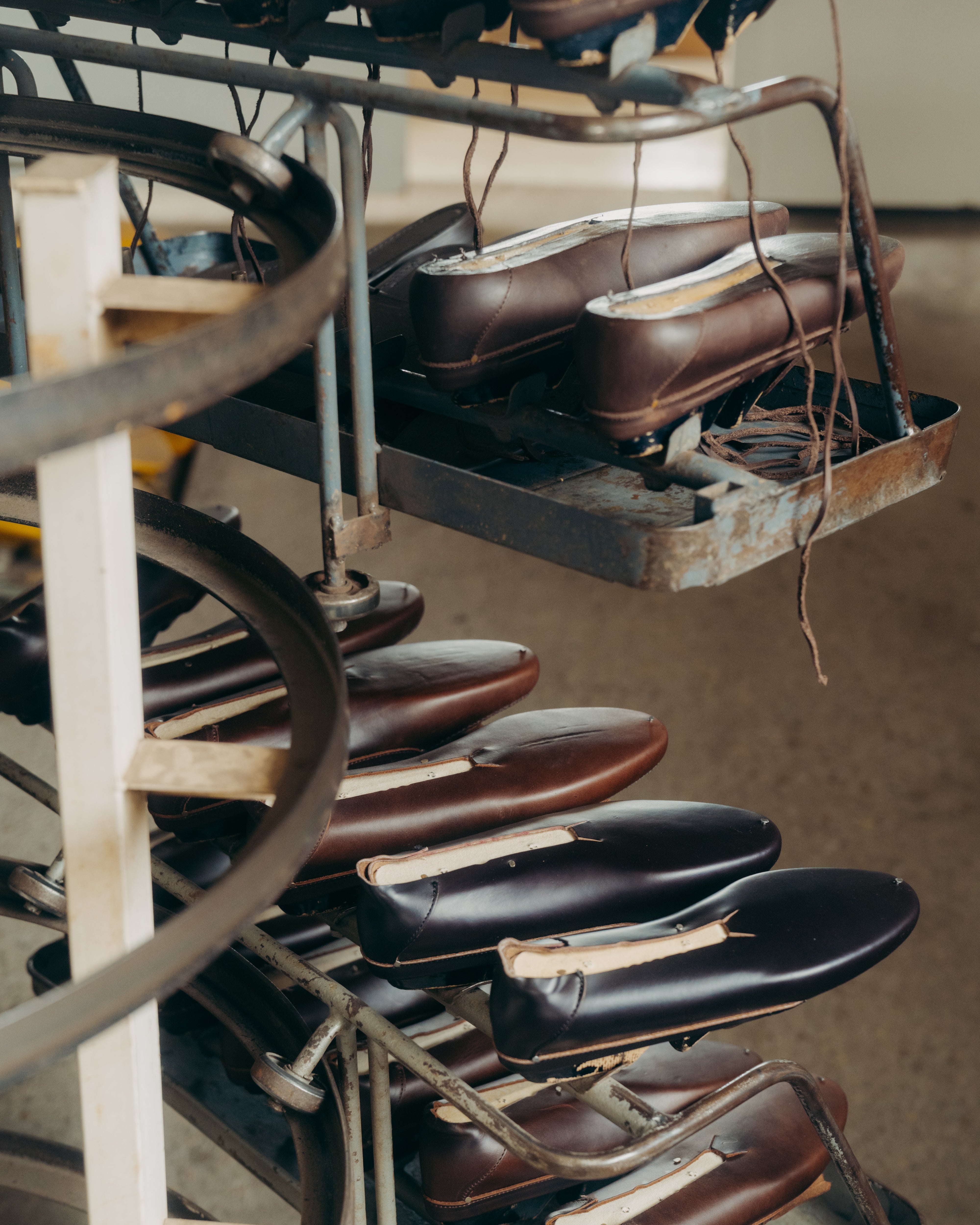
To do this, a last is used. Formerly made of wood, it is now mostly plastic and is an exact replica of the shoe’s internal volume.
The upper is first positioned on the last together with the insole, then a specialized machine applies significant tension to press the leather tightly against the last, eliminating any excess material and preventing unwanted creases.
This is a delicate step during which the leather is moistened and heated beforehand, allowing it to become more supple and preventing it from cracking under the force of the machine.
At Septième Largeur, we have developed a wide range of lasts, divided into two categories: wide and thin. Each one has been designed for specific models, with particular attention paid to comfort and aesthetic balance.
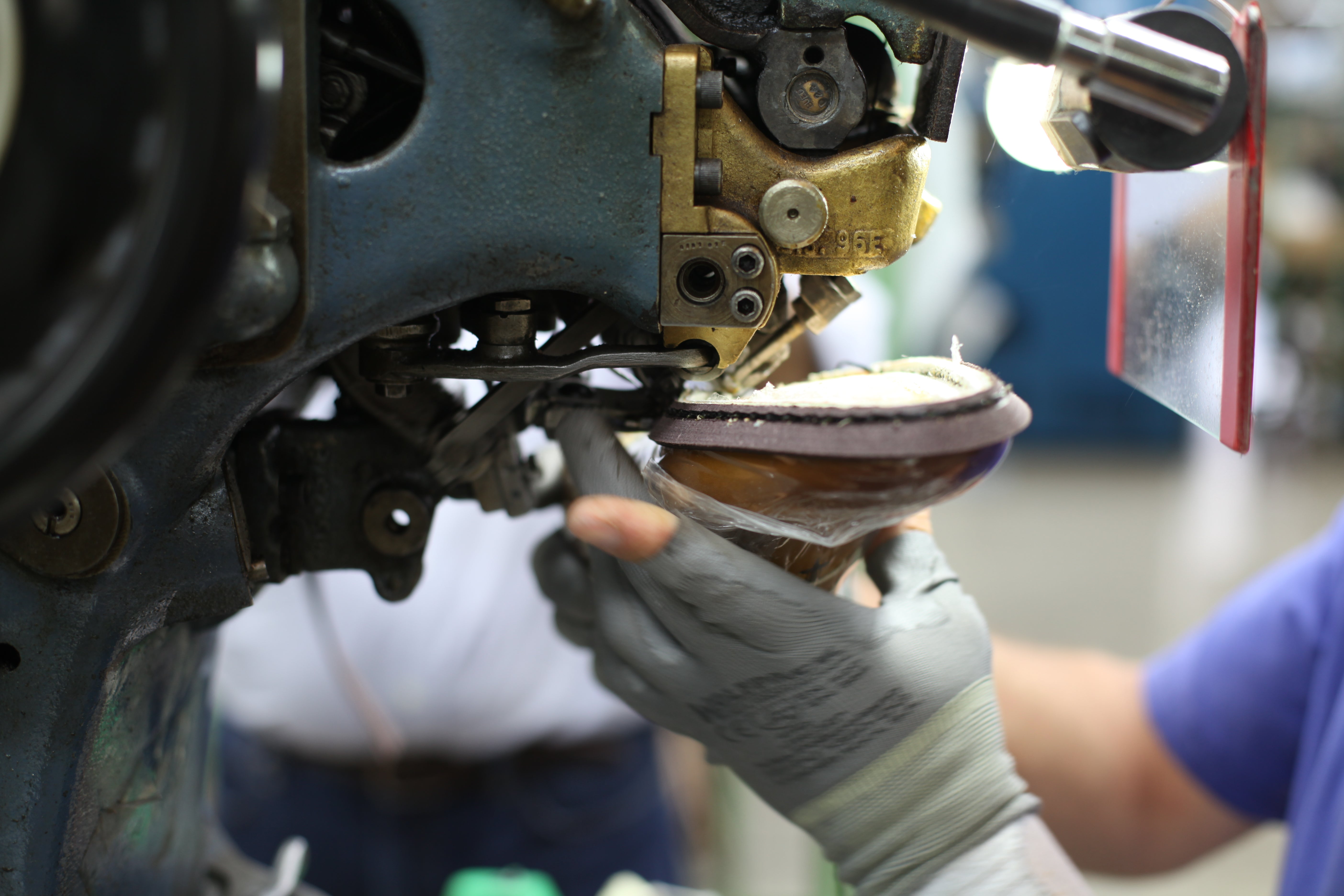

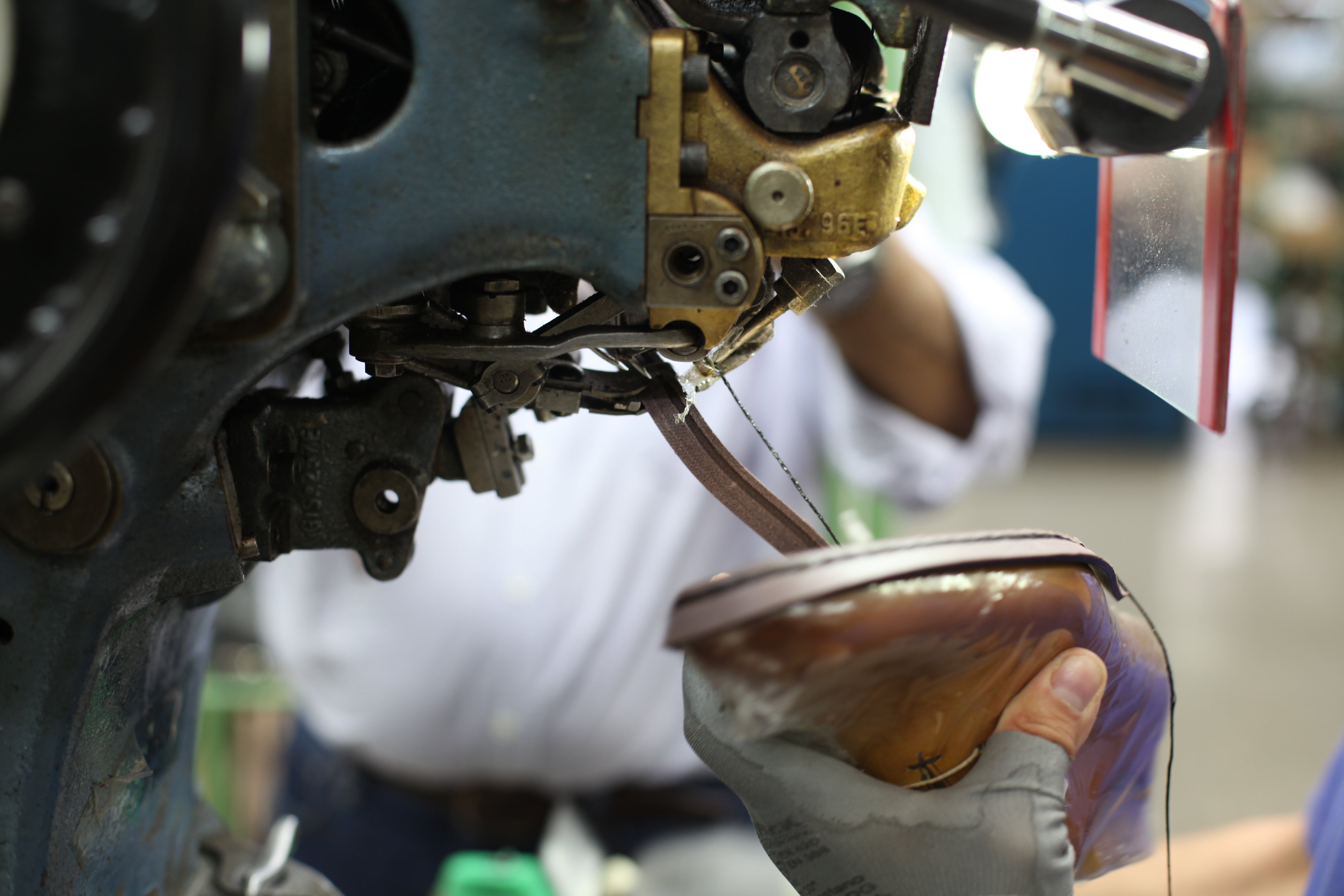
Also known as Goodyear welt stitching
The invention of Goodyear welted construction dates back to the 19th century. It is based on a meticulous assembly process in which the welt, a thin strip of leather, is stitched to both the upper and the insole. This construction creates a cavity that is then filled with cork. The outsole is subsequently stitched to the welt. The horizontal stitching remains invisible, thereby preserving the elegance of the shoes.
It should also be noted that this type of construction adapts over time to the shape of your feet, making the shoes very comfortable. A bit of patience is required, however, as the robustness of this construction can be felt at first.
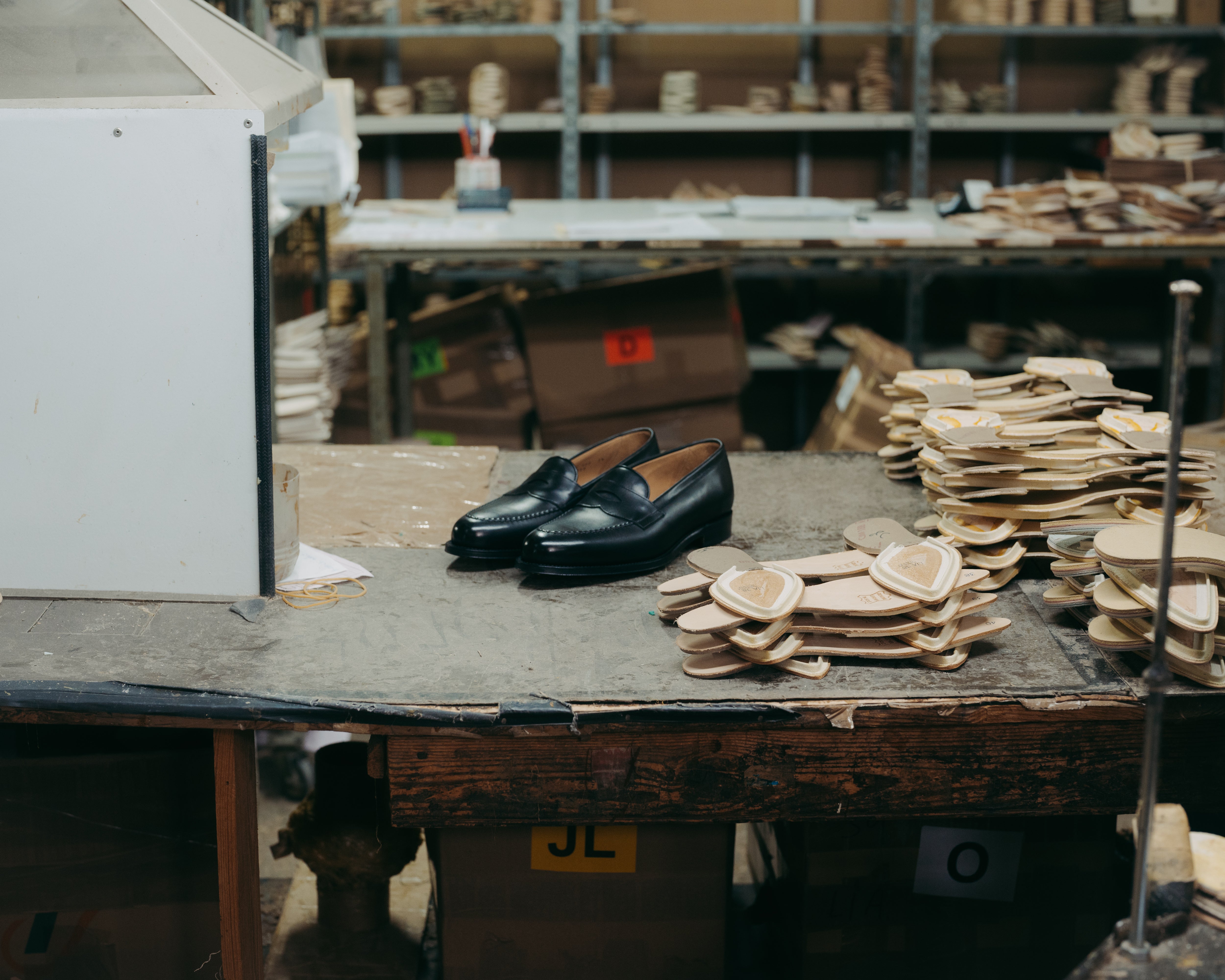
Why choose Goodyear welted construction?
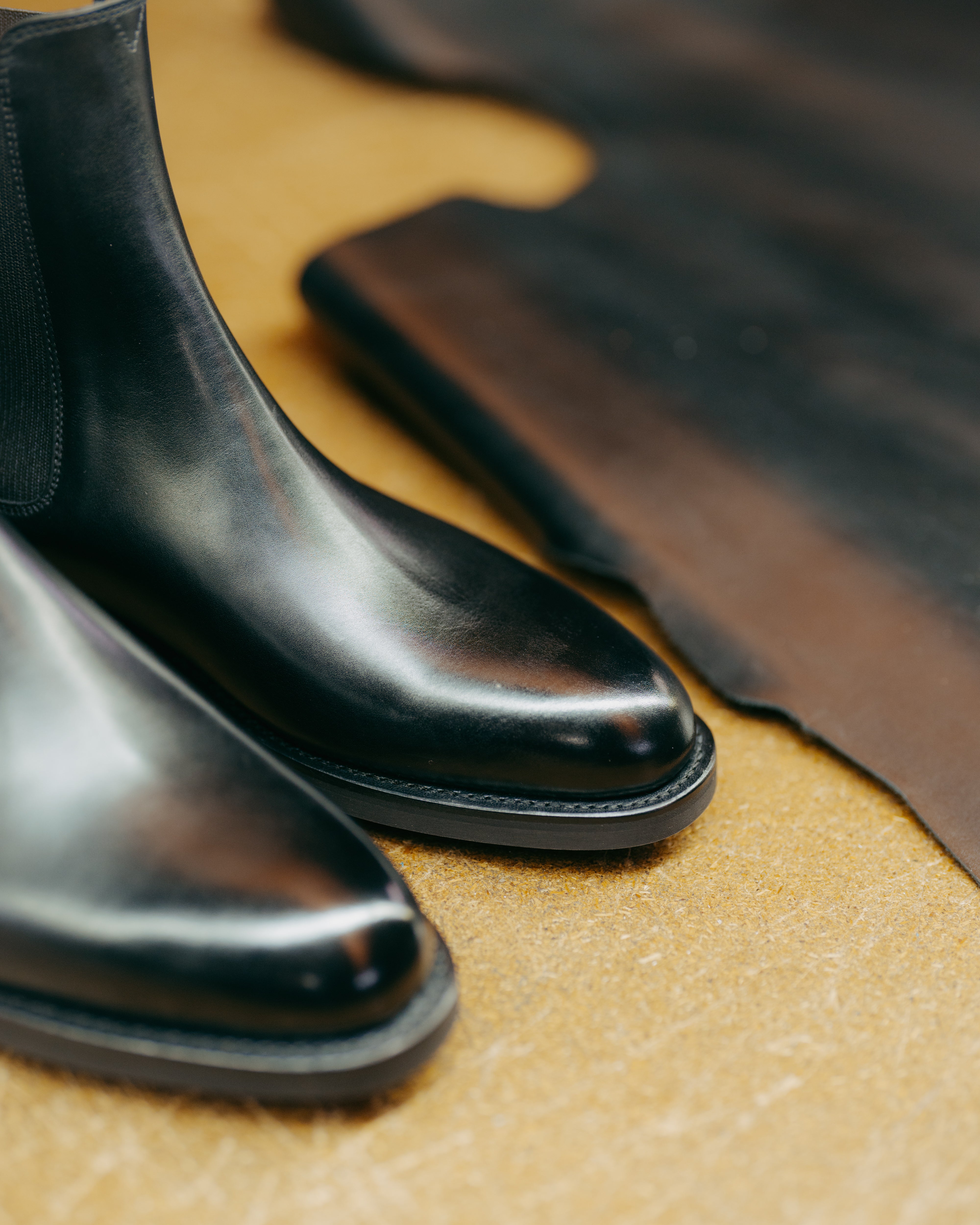
A shoe that easily stands the test of time: it is a robust construction that allows for greater durability over time.
Why choose Goodyear welted construction?
Resoling: replacing the sole is entirely possible because the outsole is stitched to the exterior of the shoe. All that is needed is to unstitch and resew the welt, without affecting the upper.
Why choose Goodyear welted construction?
Water resistance: the multiple layers of this construction make the shoe more waterproof and, as a result, more durable.
Episode 1

Secure payments
And payments in 3x or 4x
available

Free shipping
from €370

Return & exchange
within 30 days

Contact us
contact@septiemelargeur.fr
+33 6 72 16 41 41

